


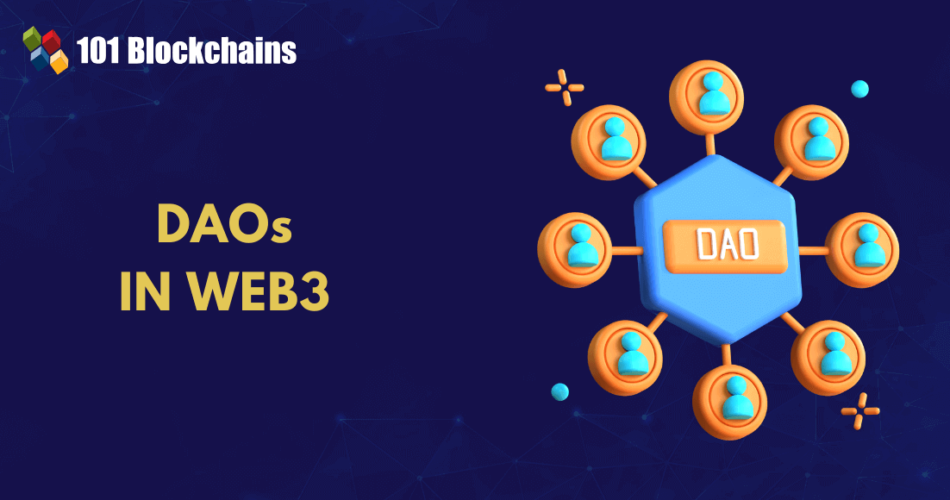
Decentralized Autonomous Organizations, or DAOs, are transforming how decisions are made, communities are managed, and digital projects are governed. In the Web3 era, where decentralization is the guiding principle, DAOs give power to the people—enabling communities to collectively shape platforms, protocols, and ecosystems without relying on traditional hierarchical structures.
What Are DAOs?
A DAO is.
In the decentralized world of Web3, blockchains are inherently deterministic and isolated. They excel at executing smart contracts, maintaining transparent ledgers, and ensuring security. However, blockchains cannot natively access external, off-chain data such as stock prices, weather information, or sports results. This is where oracles come in—acting as trusted bridges that connect real-world data to decentralized networks, enabling smart contracts to interact meaningfully with the external environment.
Understanding Oracles
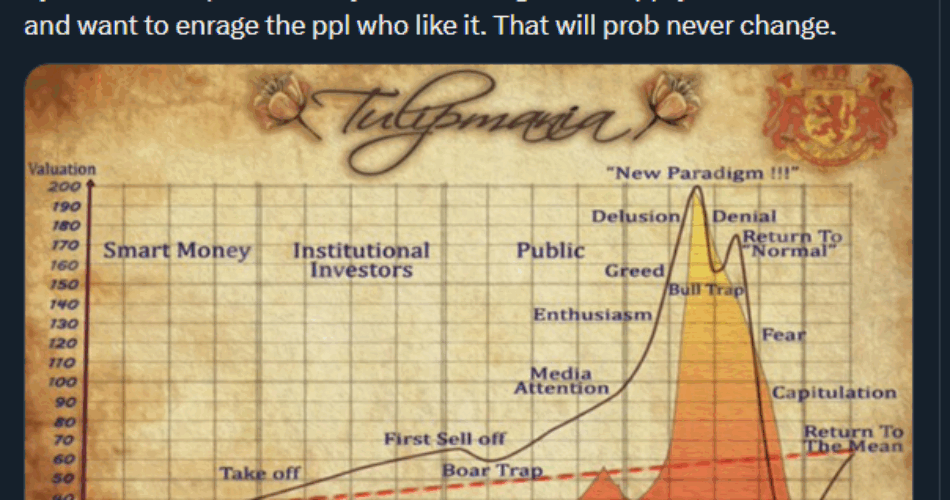
Bitcoin has survived 17 years and cannot be compared to tulip bubbles. Eric Balchunas and Garry Krug discuss the reasons why the resilience of crypto is making critics wrong.
Bitcoin keeps making its opponents wrong. The cryptocurrency is trading at an average of about 89,000, although it has experienced volatility in the recent past. Those who draw parallels between it and tulip mania fail to carefully consider an important aspect. Tulips failed after 3 years. Bitcoin has survived almost twenty.
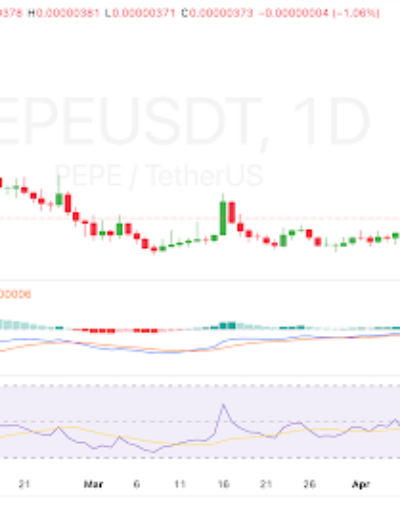
PEPE traded near $0.00000376 in a weekly accumulation zone, with $0.000006 marked as the key breakout level.
PEPE is drawing fresh market attention after a new chart outlook pointed to a possible long-term breakout from a major weekly accumulation zone.
The latest.
trendingnews
The decentralized internet is redefining how data is stored, shared, and controlled. Traditional cloud storage relies on centralized servers, creating risks around censorship, single points of failure, and data monopolies. Decentralized storage networks, led by technologies like IPFS and Filecoin, are challenging this paradigm by returning control and ownership of data to users while ensuring transparency, security, and resilience.
Understanding Decentralized Storage
Decentralized storage moves away from single-server dependency by distributing files across multiple nodes in a network. Each.


NFTNews
Cross-Chain Collectibles: The Future of NFT Interoperability
 As the NFT ecosystem matures, one of the most exciting frontiers is cross-chain interoperability—the ability for NFTs to move, interact, and retain value across multiple blockchain networks. Early NFTs were confined
 The Value of Pixels: What Makes an NFT Truly Worth It?
 NFTs burst onto the scene promising digital ownership like never before. But beyond the hype, a critical question persists: what actually gives an NFT value? Unlike traditional assets, the worth of
 ContributorsRead the Latest Report
South Korea Launches First Probe into Polymarket Users
South Korean police investigate Polymarket users for alleged illegal gambling as election betting volumes reach billions of won.
South Korean police have launched the country’s first investigation into local users of Polymarket. It is the largest prediction market in the.
